BBC Seeks Trump Family Documents and Testimony in $10 Billion Defamation Lawsuit
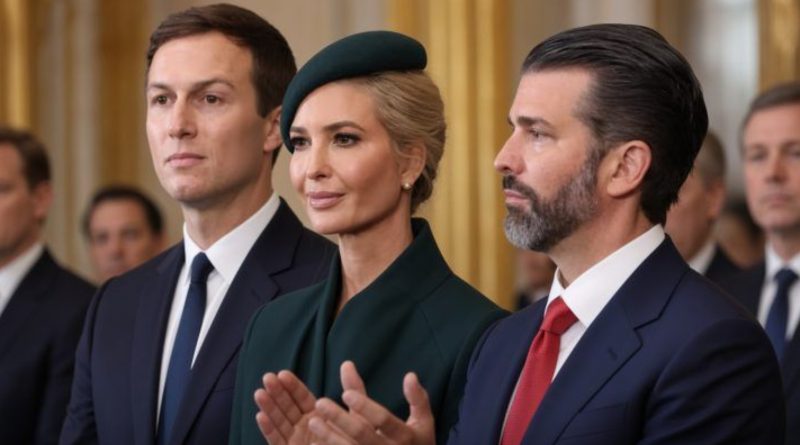
The BBC has moved to expand its legal defense against President Donald Trump’s $10 billion defamation lawsuit by seeking documents and testimony from members of the Trump family, a step that could draw the president’s relatives deeper into one of the most high-profile media cases of the decade.
The broadcaster is requesting material and sworn accounts it believes are relevant to Trump’s claims that its reporting or presentation of certain material was misleading and damaged his reputation. Lawyers for the BBC are expected to argue that the evidence is necessary to establish the full context in which the disputed material was produced, how it was understood, and the actual impact it had on Trump and those around him. The lawsuit, which seeks approximately $10 billion (£7.4 billion) in damages, ranks among the largest financial challenges the BBC has faced in recent years.
Trump has alleged that the corporation’s handling of the material caused serious reputational harm and has demanded substantial compensation. The BBC has rejected the accusations and is preparing an aggressive defense of its journalism. By targeting members of the Trump family, the BBC’s legal team is signaling that it intends to probe communications and reactions within the president’s inner circle.
Trump Family Documents and Discovery Process
Subpoenas, if granted, could compel the production of documents, require answers under oath, or force participation in depositions as both sides build the factual record. The requests do not allege wrongdoing by any family members. Rather, they reflect the broadcaster’s position that information held by those close to Trump may help determine whether the disputed reporting meets the legal threshold for defamation.
The case has already heightened tensions between the White House and major news organizations. Trump has long accused mainstream media outlets of biased and damaging coverage and has pursued legal action against several institutions he believes crossed the line. The BBC, for its part, has faced sustained scrutiny over editorial decisions involving politically sensitive subjects and prominent public figures.
Broader Implications for Media and Defamation Law
Legal observers note that the dispute carries implications beyond the immediate parties. A ruling could influence how courts treat defamation claims brought by political leaders against international news organizations, and it may shape the boundaries of reporting on public figures whose actions and statements are matters of intense public interest. With billions of dollars at stake, the outcome is being closely watched on both sides of the Atlantic.
For the BBC, the immediate task is to challenge the factual and legal basis of Trump’s claims while defending the integrity of its reporting process. For the president, the lawsuit represents an attempt to hold a major global broadcaster accountable for coverage he maintains was false and harmful. The decision to seek evidence from Trump’s family marks a significant escalation.
It suggests the litigation is likely to become more personal, more expansive in scope, and more closely examined as proceedings advance. Additional legal skirmishes over the scope of discovery are expected in the coming months, ensuring that the confrontation between the U.S. president and the British public broadcaster will remain a focal point of attention in both countries.