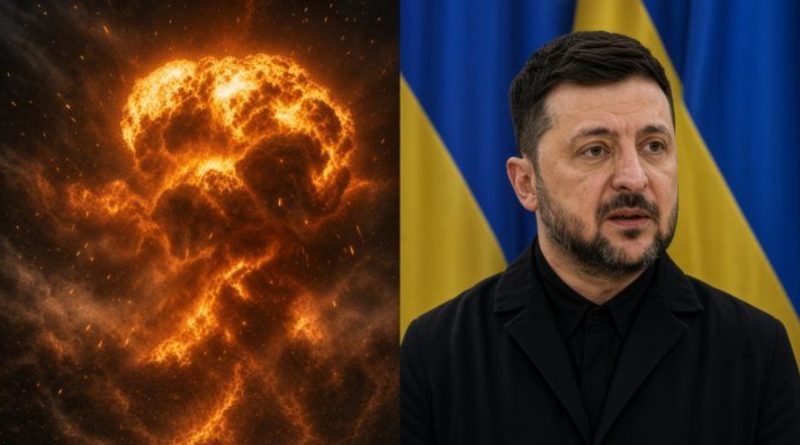
🚨🇺🇦 Russia strikes Ukrainian cities overnight; false rumors claim Zelenskyy killed…
KYIV, Ukraine – Russian forces launched a broad wave of overnight missile and drone strikes targeting multiple Ukrainian regions, triggering nationwide air-raid sirens, sparking fires in municipal centers, and prompting urgent emergency deployments across urban corridors. Concurrently, a flurry of fabricated social media posts circulated online falsely claiming that Ukrainian President Volodymyr Zelenskyy had been killed in a precision strike on a command bunker. Ukrainian authorities, international intelligence monitoring groups, and accredited independent media confirmed that the claims are entirely baseless, representing the latest coordinated disinformation flare-up engineered to generate panic amid kinetic aerial bombardment.
The strikes began in the early morning hours, prompting regional military administrations to sound sirens and order residents into hardened bomb shelters and subterranean transit stations. Air defense crews engaged inbound threats, including Shahed-type loitering munitions and cruise missiles, across northern, southern, and central oblasts. First responders from the State Emergency Service of Ukraine deployed to multiple blast sites, working to contain fires in damaged residential quarters and clear debris from municipal roads. Medical personnel treated several civilians suffering from shrapnel wounds and blast trauma, while municipal engineers initiated emergency repairs on localized power and water infrastructure.
Ukrainian defense officials reiterated that while air defense batteries intercept a substantial percentage of inbound ordnance, the volume and multi-vector routing of saturation salvos continue to strain defensive magazine depths, with falling wreckage and unintercepted warheads posing severe threats to civilian infrastructure.
Disinformation campaign amid strikes
As emergency units worked to stabilize impact sites, an unsubstantiated rumor surged across digital channels, asserting that a Russian missile had struck a secure operational redoubt and killed Zelenskyy. Several variations of the claim featured fabricated screenshots impersonating prominent Ukrainian news agencies, accompanied by sensationalized declarations that state broadcasters were preparing national mourning protocols. No sovereign agency, defense ministry, or independent international outlet verified any such incident. The Ukrainian presidential administration continued normal governmental operations, and the viral claims lacked any authentic evidentiary foundation.
National security analysts and disinformation researchers emphasize that high-intensity aerial bombardments provide fertile ground for digital psychological operations. By coupling kinetic strikes with synthetic reports of decapitation attacks, adversaries frequently attempt to undermine civilian morale, degrade military chain-of-command confidence, and generate international market volatility before official spokespersons can issue formal rebuttals. The rapid dissemination of the hoax underscored the structural vulnerability of digital information ecosystems during active warfare.
Information warfare in modern conflict
Fabricated chyrons, recycled archival videos, and automated amplification networks often outpace conventional fact-checking protocols. Analysts warn that viral claims concerning the death, incapacitation, or flight of senior state leadership should be treated with extreme skepticism unless corroborated by accredited national authorities and multiple independent primary sources.
Beyond the information front, the overnight salvos demonstrated the relentless pressure bearing down on Ukrainian civilian centers. Systematic targeting of municipal utilities and transport networks continues to threaten basic heating and electrical services as seasonal cold sets in. Regional authorities reminded civilians to respect active sirens, observe public curfews, and immediately report downed drone components or unexploded ordnance to specialized bomb-disposal units rather than approaching debris fields. Civil defense officials confirmed that structural inspections and forensic assessments of the strike locations remain underway to determine the complete tally of civilian injuries and material damage.
While the physical recovery from the night’s bombardment proceeds on the ground, the dual nature of the assault served as a stark reminder of the hybrid character of modern war: a battlefield fought simultaneously through ballistic strikes on the home front and manufactured chaos on the digital wire.