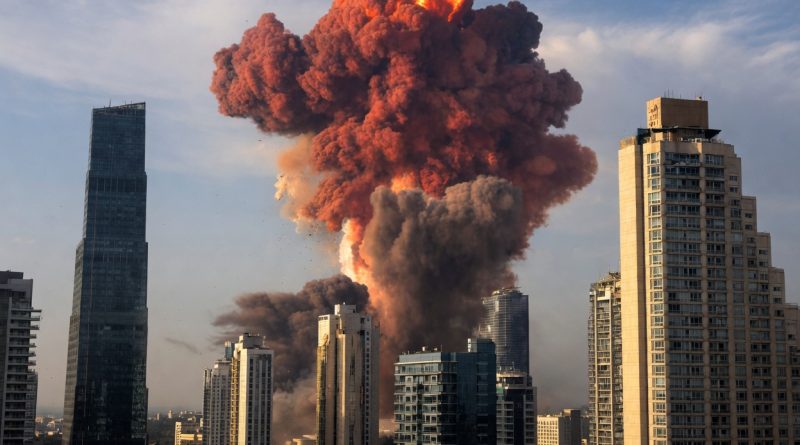
Israel Launches Unprecedented Military Campaign Against Iran: Timeline, Impact, and Global Repercussions
For decades, Israeli military and intelligence leaders have warned about the potential threat of a nuclear-capable Iran. The possibility of a neighboring country possessing nuclear weapons has shaped Israel’s defense planning, diplomatic efforts, and intelligence operations for more than twenty years. Over time, strategies ranging from diplomacy and cyber operations to covert actions and targeted strikes were used in attempts to slow Iran’s nuclear progress, which Israeli officials often described as an existential concern.
On February 28, 2026, however, the situation reportedly shifted from long-standing containment efforts to large-scale military action involving Israel and the United States. The campaign that followed has been described by observers as one of the most significant military operations in the region in decades, drawing widespread international attention and raising concerns about regional stability.
This overview examines the reported background, developments, and broader implications of the ongoing tensions.
Background: Rising Tensions and Strategic Concerns
According to reports, months of planning preceded the February 28 operation. After a brief but intense conflict in June 2025 — during which Israeli and U.S. forces reportedly targeted Iranian military and nuclear-related infrastructure — intelligence agencies continued monitoring Iran’s missile development and uranium enrichment activities.
By late 2025, some analysts suggested that Iran was approaching a level of nuclear capability that could significantly alter the regional balance of power. At the same time, domestic unrest reportedly erupted in Iran in early 2026, adding further uncertainty to the situation. Observers noted that internal instability, combined with ongoing military developments, contributed to rising tensions across the region.
Reported February 28 Operation
According to various accounts, Israel launched coordinated airstrikes with U.S. support on February 28. The reported targets included military infrastructure, air defense systems, command centers, and missile storage facilities. The operation was described as complex and highly coordinated.
Some reports also claimed that senior Iranian leadership facilities were targeted during the early phase of the operation. However, details surrounding leadership casualties and the full scope of the strikes have remained contested and difficult to independently verify, reflecting the complexity of wartime information.
Expansion of Military Activity
Following the initial strikes, additional operations reportedly targeted infrastructure across multiple regions. Energy facilities, including oil depots and gas infrastructure, were among the sites affected, contributing to rising global energy prices and increasing geopolitical tensions.
Observers also noted that attacks on critical infrastructure can have wide-ranging consequences, including economic disruption, environmental concerns, and humanitarian impacts. These developments heightened global concern and prompted calls for restraint.
Focus on Nuclear-Related Facilities
Reports indicated that nuclear-related sites were among the areas of concern during the campaign. Such developments raised fears of further escalation, particularly given the sensitivity surrounding nuclear infrastructure in the region.
Statements from officials emphasized goals such as limiting military capabilities and preventing escalation. However, the targeting of sensitive facilities drew international scrutiny and calls for diplomatic solutions.
Humanitarian Impact
The humanitarian consequences of the conflict have been a major source of concern. Reports from various organizations indicated civilian casualties, infrastructure damage, and displacement in affected areas. Hospitals, schools, and residential neighborhoods were reportedly impacted, intensifying global calls for de-escalation.
At the same time, officials involved in the conflict maintained that military targets were prioritized and that efforts were made to limit civilian harm. These claims, however, have been disputed by different parties, highlighting the difficulty of verifying information during active conflict.
Iranian Retaliation
In response to the strikes, Iran reportedly launched missile attacks toward Israeli territory. While missile defense systems intercepted many incoming threats, some impacts caused damage and casualties. These exchanges further escalated tensions and raised fears of a broader regional conflict.
International and Diplomatic Reactions
Global reactions have been mixed. Some countries expressed support for security concerns, while others called for immediate ceasefire and restraint. International organizations urged diplomacy and emphasized the importance of preventing further escalation.
Several governments also raised legal and humanitarian concerns regarding the strikes and their broader consequences. Diplomatic discussions and emergency meetings were reportedly held as world leaders attempted to manage the unfolding crisis.
Regional Escalation
Tensions also extended beyond Iran and Israel. Reports of strikes and military activity involving groups in neighboring countries added to fears of a wider regional conflict. Displacement, civilian casualties, and infrastructure damage were reported in multiple areas.
Strategic Implications
The developments have had far-reaching consequences. Energy markets experienced volatility, regional alliances faced strain, and security concerns intensified. The possibility of prolonged conflict raised concerns about long-term stability in the Middle East.
Analysts noted that operations of this scale — involving sustained strikes, retaliatory attacks, and regional involvement — could reshape geopolitical dynamics for years to come.
Key Points
- Large-scale military operations increased tensions across the Middle East
- Reports indicated strikes on military and infrastructure targets
- Civilian casualties and humanitarian concerns drew international attention
- Retaliatory missile exchanges escalated the situation
- Regional tensions expanded beyond the primary conflict areas
- Energy markets reacted to disruptions and uncertainty
- International responses ranged from support to calls for ceasefire
Conclusion
The events beginning February 28, 2026, marked a significant escalation in regional tensions and drew global attention. While many details remain contested and evolving, the developments highlight the fragile balance of power in the Middle East and the far-reaching consequences of military conflict.
As the situation continues to unfold, governments, analysts, and humanitarian organizations around the world remain focused on the potential long-term effects on regional stability, global energy markets, and international relations.