WHO finally issue statement on likelihood of hantavirus becoming the “next covid”
As concerns surrounding the hantavirus outbreak continue to grow, the World Health Organization is attempting to reassure the public that the situation does not currently appear to pose the threat of a new global pandemic.
Attention has focused on the cruise ship MV Hondius, where the outbreak has reportedly been linked to three deaths. Nearly 150 passengers and crew members remain aboard the vessel, while several additional suspected cases are under investigation.
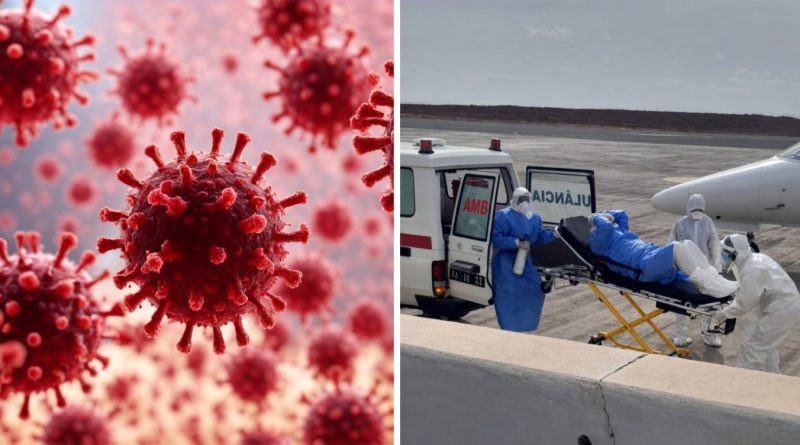
WHO Director-General Tedros Adhanom Ghebreyesus confirmed on X that three suspected hantavirus patients had been evacuated from the ship and transferred for medical treatment in the Netherlands.
According to Tedros, the evacuations were coordinated between the WHO, the ship’s operator, and national authorities from Cabo Verde, the United Kingdom, Spain, and the Netherlands.
He added that WHO officials continue working closely with the vessel’s operators and national health agencies to monitor the condition of passengers and crew members, while organizing medical follow-up and evacuations where necessary.
Health authorities have also begun tracking individuals who already disembarked from the ship as part of ongoing monitoring efforts.
Despite growing public concern, the WHO stated that the overall public health risk currently remains low.
What Is Hantavirus?
As online speculation intensified, with some social media users comparing the outbreak to the early days of COVID-19, WHO epidemiologist Maria Van Kerkhove pushed back strongly against those comparisons during a recent press briefing.
“This is not the next Covid,” she said, while emphasizing that hantavirus remains a serious infectious disease capable of causing severe illness and death in rare cases.
Van Kerkhove acknowledged that fear among passengers and the public is understandable, but stressed that accurate information is essential to avoid unnecessary panic.
“Most people will never be exposed to this,” she explained, noting that infections remain relatively uncommon.
How the Virus Spreads
According to the WHO, hantavirus pulmonary syndrome (HCPS) carries a high fatality rate, often estimated between 20% and 40%, making it a disease of significant medical concern.
The virus is most commonly associated with exposure to infected rodents and can spread through contact with rodent urine, saliva, or droppings.
However, investigators reportedly have not discovered evidence of rodents aboard the MV Hondius, raising additional questions about how the infections may have occurred.
Health experts are now also examining the possibility of limited person-to-person transmission—a form of spread considered extremely rare for hantavirus but one that would raise serious concerns if confirmed.
For now, international health officials continue monitoring the situation closely while urging the public to rely on verified medical information rather than speculation spreading online.