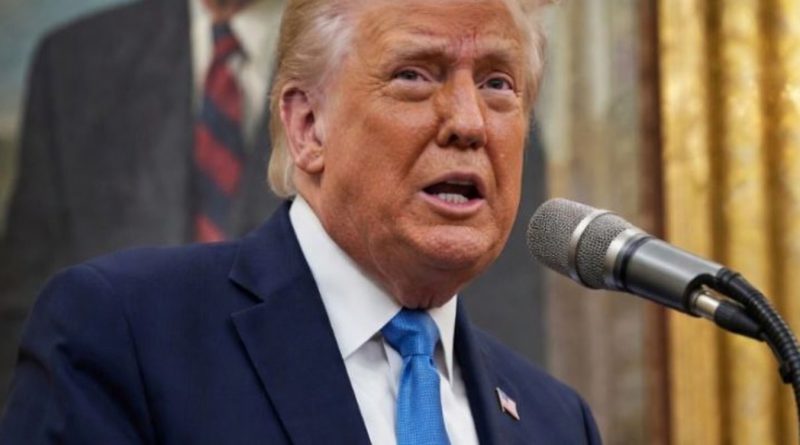
Trump looked straight at reporters and said the quiet part out loud
President Donald Trump’s recent comments about Cuba have sparked intense debate across the United States and internationally in 2026. During a March 9 press conference in Doral, Florida, Trump suggested the possibility of a “friendly takeover” of the island nation, adding that Secretary of State Marco Rubio was handling discussions. “It may be a friendly takeover. It may not be a friendly takeover,” Trump told reporters, adding that Cuba was “down to… fumes” and struggling with energy and financial shortages.
The remarks, delivered in Trump’s characteristic unscripted style, quickly gained traction online. They followed earlier comments and were later amplified in mid-March, when Trump said he believed he might have “the honor of taking Cuba,” adding, “I think I can do anything I want with it,” while referencing the island’s weakened condition amid a nationwide energy crisis.
These statements come as Cuba faces one of its most severe economic crises in decades. The island has experienced widespread blackouts, fuel shortages, inflation, and declining tourism, contributing to a broader humanitarian strain. Analysts describe the situation as among Cuba’s worst since the 1990s, with an aging power grid collapsing and basic goods becoming increasingly scarce.
At the same time, the Trump administration has pursued a hardline policy toward Havana. In early 2026, the White House declared a national emergency related to Cuba and introduced measures allowing tariffs on countries supplying oil to the island, citing national security concerns and Cuba’s ties to adversarial governments.
Supporters of Trump praised the blunt rhetoric, viewing it as a decisive stance against communism and a reflection of strong leadership. Some within the Cuban-American community, particularly in South Florida, interpreted the comments as a signal that Washington is prepared to push for significant change on the island.
Critics, however, characterized the remarks as provocative and potentially destabilizing. Analysts warned that talk of a “takeover”—even if framed rhetorically—could heighten tensions, strain diplomatic relationships, and create uncertainty across the region. Some policymakers and international observers also expressed concern that such language could complicate negotiations or escalate fears of military involvement.
The debate has unfolded amid broader diplomatic maneuvering. Recent reporting indicates ongoing discussions, humanitarian concerns, and speculation about possible negotiations between Washington and Havana, as Cuba’s economic crisis deepens and migration pressures grow.
Ultimately, Trump’s comments have highlighted both his direct communication style and the growing stakes surrounding U.S.–Cuba relations. Whether the rhetoric leads to negotiations, policy shifts, or increased tensions remains uncertain, but the episode underscores how quickly unscripted remarks can shape global conversations in an already volatile geopolitical environment.