Iranian Missile Strike on Beit Shemesh Kills Nine, Injures Dozens Near Jerusalem
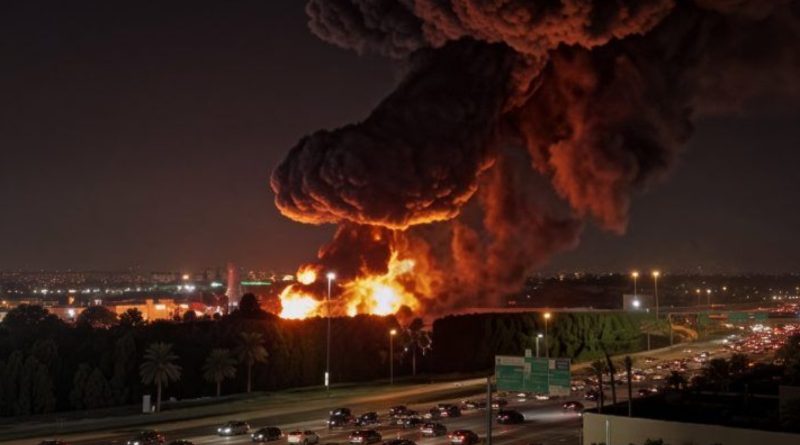
A direct Iranian ballistic missile strike on a residential neighborhood in Beit Shemesh killed nine people and injured more than 40 others, turning a quiet area west of Jerusalem into a scene of destruction and a major emergency response. The missile struck Sunday afternoon after warning sirens sounded across central Israel. The impact destroyed a synagogue, heavily damaged a public bomb shelter and caused extensive destruction to nearby homes and buildings, according to Israeli authorities and emergency responders. Magen David Adom initially reported eight fatalities at the scene and transported 28 injured people to hospitals. The death toll later rose to nine.
Medical centers in Jerusalem treated numerous victims, including children, with some suffering serious injuries. Emergency crews, police officers, military personnel and search-and-rescue teams rushed to the neighborhood as helicopters and other resources were deployed. Rescuers worked through damaged structures and piles of concrete and debris while searching for victims and survivors. The strike raised immediate questions about the protection provided by shelters and the circumstances that allowed the missile to reach its target.
Jerusalem District Police Chief Avshalom Peled said most of those killed were believed to have been inside a public shelter when the missile struck. However, subsequent reporting indicated that the circumstances surrounding where individual victims were located were more complicated. The Israel Defense Forces said the failure to intercept the missile was under investigation. Air-defense systems had been activated, but the missile reached the area and caused a direct impact with an estimated 500-kilogram warhead, according to Israeli reporting.
Investigation Into Defense Failure
The Home Front Command was also examining the condition and performance of the shelter. Authorities have continued to emphasize that residents should follow emergency instructions and seek protected areas when warning systems activate, even though no shelter can be assumed to withstand every direct ballistic-missile impact. The human toll became clearer as authorities identified the nine people killed in the attack. The victims included three teenage siblings, a mother and her adult daughter, another mother and her adult son, a 16-year-old boy and a 46-year-old man.
Their deaths left families and friends mourning across the Beit Shemesh community. The strike was described as the deadliest single Iranian missile attack in Israel during the current round of fighting. The destruction also left residents confronting damaged homes, shattered windows and debris throughout the neighborhood. The attack came amid an intensified confrontation between Israel and Iran, with repeated missile launches, air-defense operations and military strikes raising concerns about further escalation.
Civilian Cost of Conflict
For residents of Israeli cities, the conflict has brought repeated warnings to seek shelter as incoming missiles threaten populated areas. The Beit Shemesh strike demonstrated the devastating consequences when a ballistic missile penetrates defenses and reaches a residential neighborhood. Israeli authorities continue to investigate the circumstances of the strike, including the failure to intercept the missile and the performance of the shelter. Officials are also assessing the broader damage and supporting those injured and displaced.
As the investigation continues, the nine deaths in Beit Shemesh stand as a stark reminder of the civilian cost of the escalating Israel-Iran conflict. For the affected families, however, the broader military confrontation has been reduced to something deeply personal: the sudden loss of loved ones and the difficult task of rebuilding their lives after a devastating attack.